United Nations Development Programme
Topic: Microfinance as a tool for empowerment
About
In many parts of the world, the difference between poverty and economic opportunity can hinge on access to a loan as small as fifty dollars. For billions of people living in developing economies, traditional banking systems remain inaccessible, leaving entrepreneurs, farmers, and families without the financial tools needed to invest in their futures. Microfinance institutions have emerged as a powerful mechanism to bridge this gap, providing small loans, savings programs, and financial services to underserved communities. When implemented effectively, microfinance has the potential to stimulate local entrepreneurship, empower marginalized populations, particularly women, and foster sustainable economic development.
Yet microfinance is not a universal solution. While some programs have lifted communities out of poverty and catalyzed local economies, others have led to high-interest debt cycles, regulatory challenges, and uneven access to financial services. Questions remain about how microfinance programs should be structured, monitored, and integrated into broader development strategies. As the international community seeks to achieve the Sustainable Development Goals, especially those related to poverty reduction, gender equality, and inclusive economic growth, the role of microfinance institutions has become increasingly central to global development discussions.
Addressing this issue requires delegates to examine not only the economic mechanisms behind microfinance, but also the social and political contexts in which these programs operate. In crafting policy recommendations, delegates must consider how development initiatives can expand financial inclusion while ensuring transparency, consumer protection, and long-term sustainability. This background guide will introduce the key challenges and opportunities surrounding microfinance as a development tool; however, meaningful progress will depend on delegates’ ability to design innovative, collaborative, and equitable strategies that empower communities while strengthening global development systems.
Please write to undp@hmunindia.org for any queries
Director
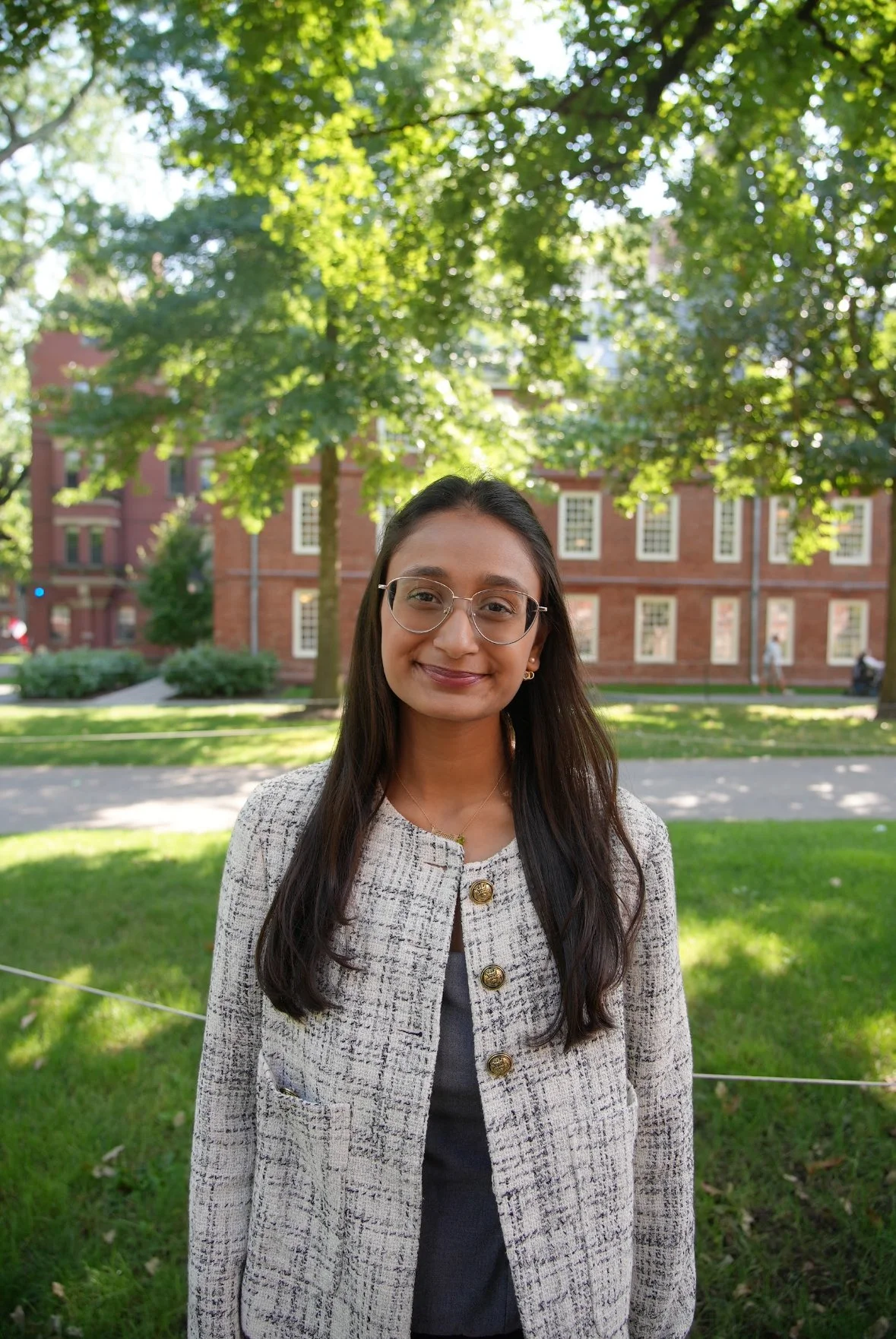
Anaya Sheth
Anaya Sheth is a sophomore in Currier House studying History and Applied Mathematics. She is originally from Mumbai, India, and competed in Model UN conferences throughout high school, eventually becoming Secretary General of her school MUN Club. She is thrilled to continue her Model UN journey at Harvard, and now serve as Director for HMUN India 2026.
Outside of Model UN, Anaya serves as Strategy Manager for the Harvard Crimson, and is an active writer and interviewer for the Harvard International Review. Anaya enjoys Indian classical dance, travelling, and trying foods from various cuisines!