United Nations Social, Humanitarian and Cultural Committee
(Double Delegation)
Type A:
Investigating Global Drug Development Infrastructure
Type B:
Clinical Trials and the Male Default
About
Technology has great potential to revolutionize the health policy space, aiming to create greater global equity. However, there is also the risk of developing more inequality, as nations with greater access to technological resources may pull further ahead of lower-resourced nations. Throughout this conference, delegates will explore the tension between implementing technological resources to improve health policy and maintaining equitable access. One central area of concern is the inequality in global drug development. High-income countries often dominate research pipelines, clinical trials, and pharmaceutical innovation, leaving low- and middle-income nations with limited influence over which drugs are developed and at what cost. This disparity creates unequal access to life-saving medications, particularly for diseases that primarily affect the Global South. Addressing this issue requires rethinking funding models, encouraging equitable collaboration between nations, and ensuring that intellectual property rights do not prevent access to essential medicines. Policies must aim to strike a balance between innovation and global justice, thereby reducing the gap between resource-rich and resource-poor regions. Another pressing challenge is the disparity in women’s healthcare. Around the world, women face disproportionate barriers to accessing adequate care, from limited reproductive health services to systemic biases in medical research and treatment. In many societies, cultural stigmas, underfunded health systems, and a lack of gender-sensitive policies exacerbate inequalities in outcomes for women. Ensuring that women have equal access to healthcare means not only expanding services but also promoting representation in healthcare leadership, medical education, and policymaking. Ultimately, addressing these disparities is crucial to advancing human rights and achieving sustainable development goals that prioritize equality and well-being.
Please write to sochum@hmunindia.org for any queries
Directors
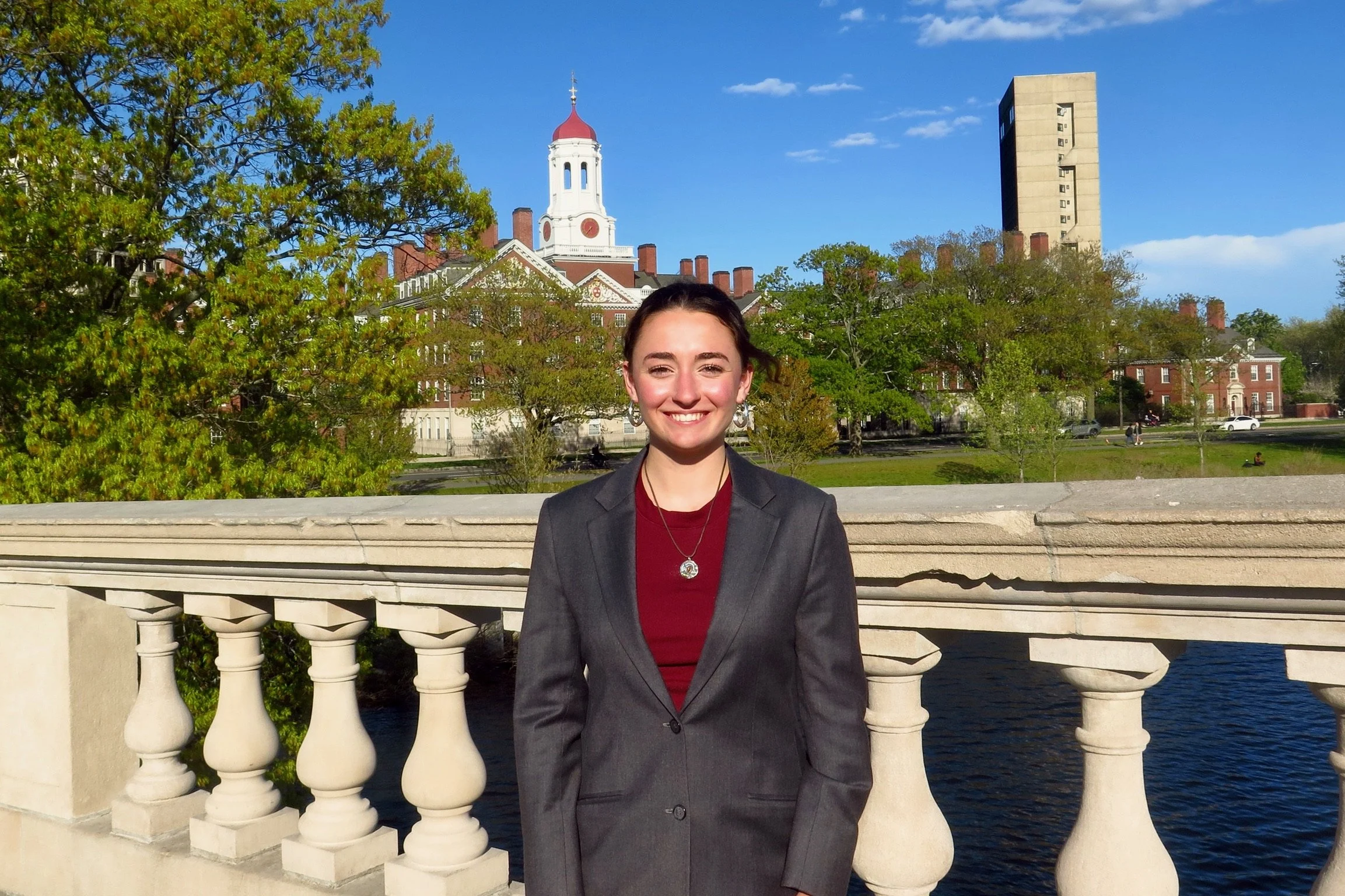
Margaret Bowles
Margaret is a sophomore studying Government with a minor in Economics from Dover, Massachusetts. Margaret is beyond excited to be the USG of Host Affairs at HMUN India! In the world of Model UN, Margaret is the director of General Assembly Training for Harvard's Intercollegiate Model United Nations Team, director for HMUN Dubai, a director at HNMUN Boston, a director at HMUN Canada, and was deputy USG of the General Assembly at HMUN Boston this year.
Outside of Model UN, Margaret is president of Harvard Undergraduates for Bipartisan Solutions, volunteers with the Philip's Brooks House and is part of the leadership for Harvard Running Club. She has also done a variety of work in Massachusetts State Politics, including campaign organising and legislative research. In her free time, Margaret enjoys running, swimming, skiing, biking, hiking and generally any excuse to spend time outdoors.